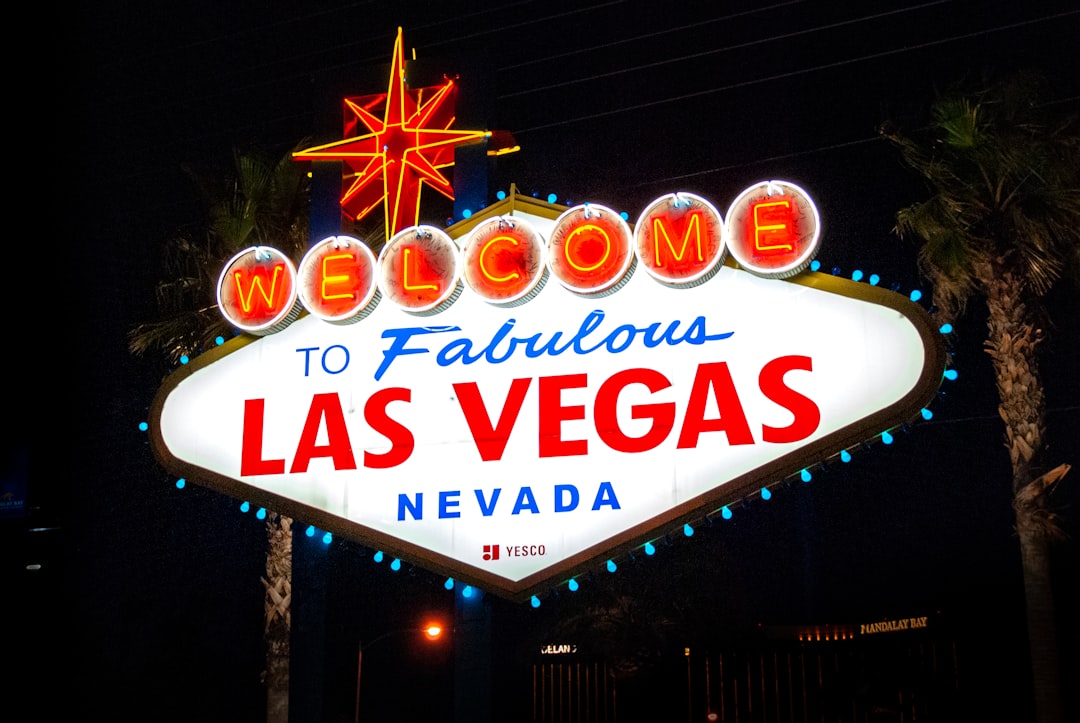
Canada's iGaming landscape is shifting fast. With Alberta positioning itself to become the second Canadian province to open a regulated private-operator online casino market — following Ontario's trailblazing 2022 launch — the ripple effects are reaching well beyond the border. For US players watching their own states inch toward legalization, Alberta's move offers a compelling preview of what's coming.
Major operators like DraftKings and BetMGM already have established footholds in Ontario's regulated market, and both have signaled interest in expanding across additional Canadian provinces. The playbook is familiar: it mirrors the exact state-by-state domino effect that has defined US iGaming expansion since New Jersey went live in 2013.
How Canada's iGaming Market Got Here
Canada's path to regulated online gambling has been a slow burn. For decades, the Criminal Code of Canada restricted gambling operations to provincial lottery corporations — government-run Crown entities that held monopolies on everything from lotteries to online casino games. Canadians could technically gamble online through provincial platforms like British Columbia's PlayNow.com or Quebec's EspaceJeux, but options were limited and the experience lagged behind what offshore grey-market sites offered.
Two pivotal moments changed the trajectory. First, Bill C-218 received Royal Assent in June 2021, amending the Criminal Code to legalize single-event sports betting nationwide. Previously, Canadians were limited to parlay wagers — a restriction that pushed billions in betting handle to unregulated offshore books.
Second, and more consequentially for casino players, Ontario launched its open iGaming market on April 4, 2022. The province created iGaming Ontario (iGO) as its "conduct and manage" entity, allowing qualified private operators to register and offer real-money online casino games and sports betting directly to Ontario residents. Within two years, more than 50 operators and 80 gaming sites had entered the market, generating billions in total wagers.
Key takeaway: Ontario proved that a regulated, open-market model can work in Canada. Its success created the blueprint — and the competitive pressure — for other provinces to follow.
Alberta's Regulated Market: What We Know
Alberta isn't starting from scratch. The Alberta Gaming, Liquor and Cannabis Commission (AGLC) launched PlayAlberta.ca in 2020 — a government-operated online casino offering slots, table games, and lottery products. But PlayAlberta has faced criticism for its limited game library compared to the offshore alternatives Albertans were already using.
The province has been publicly exploring whether to follow Ontario's open-market model and allow private operators to enter. Alberta already boasts a robust land-based casino industry across Calgary and Edmonton, giving AGLC well-established regulatory infrastructure that could extend to online oversight. With a population of roughly 4.4 million residents, the province represents a meaningful market — not Ontario-sized (15 million), but large enough to attract serious operator investment.
If Alberta adopts Ontario's conduct-and-manage framework, players would see a dramatic expansion in available games, operators, and promotional offers — all under a regulated umbrella with enforceable player protections. For cross-border operators already licensed in Ontario, the incremental cost of expanding to Alberta is relatively low since much of the technology, compliance infrastructure, and operational expertise transfers directly.
How This Mirrors the US Expansion Pattern
The parallels between Canada's province-by-province rollout and America's state-by-state legalization are striking. In both countries, gambling regulation is a sub-national responsibility. There's no single federal framework — each jurisdiction decides independently whether and how to allow online gambling. The result is a patchwork of rules, timelines, and tax structures that creates complexity for operators but meaningful barriers to entry that benefit well-capitalized companies.
| Aspect | Canada (Ontario Model) | US (State-by-State) |
|---|---|---|
| Licensing Authority | Provincial body (e.g., iGO/AGCO) | State gaming commissions |
| Tax Rate | ~20% GGR (Ontario) | Varies: 15% (NJ) to 51% (NY sports) |
| Operator Access | Open market — any qualified operator | Often tied to land-based casino partnerships |
| Sports Betting Catalyst | Bill C-218 (2021) | PASPA repeal (2018) |
| Federal Restrictions | Minimal after C-218 | Wire Act still debated for iGaming |
Why Regulated Markets Matter for Players
Whether you're in Ontario, Pennsylvania, or waiting for your jurisdiction to legalize, the case for playing on regulated sites over offshore alternatives is straightforward. Regulation isn't just red tape — it's the infrastructure that protects your money and ensures fair play.
- Segregated player funds: Regulated operators must hold your deposits separately from their operating capital. If the company goes bankrupt, your balance is protected.
- Certified game fairness: Random Number Generators (RNGs) are tested by independent labs like GLI and eCOGRA. Regulated slots typically run at 94–97% RTP, and those numbers are audited — not just advertised.
- Dispute resolution: If an operator refuses a legitimate payout, you have legal recourse through the gaming commission. On offshore sites, you have none.
- Responsible gambling tools: Deposit limits, session timers, self-exclusion programs, and mandatory links to problem gambling resources (like ConnexOntario or 1-800-GAMBLER) are required — not optional.
- KYC and age verification: Identity checks prevent underage gambling and fraud, creating a safer environment for everyone.
Pro tip: When evaluating any online casino, look for a visible gaming commission license number on the site's footer. Regulated operators display this prominently — if you can't find one, that's a red flag.
What US Players in Non-Legal States Should Expect
If you live in a US state without legal online casino gambling, watching Canada and other states expand their regulated markets can feel frustrating. But the domino effect is real, and understanding the pattern can help set realistic expectations.
The US currently has seven states plus DC with regulated online casino markets. New Jersey pioneered the space in 2013 and proved the model works. Pennsylvania followed in 2019 and now generates over $200 million monthly in online casino revenue — making it the nation's largest iGaming market. Michigan launched in January 2021 and grew rapidly. Each success story strengthens the case for the next state legislature considering legalization.
The Revenue Argument Wins
What ultimately drives legalization is money. When state legislators see neighboring jurisdictions collecting hundreds of millions in tax revenue from iGaming, the political calculus shifts. US commercial gaming revenue hit a record $66.5 billion in 2023, and a meaningful chunk of that came from online operations. States leaving that revenue on the table — especially when their residents are already gambling on unregulated offshore sites — face growing pressure to act.
The same dynamic plays out in Canada. Ontario's market success puts competitive pressure on Alberta, British Columbia, and other provinces. Why let gambling revenue flow to grey-market operators when a regulated framework can capture it, protect players, and fund public services?
States to watch in the US include New York (already has mobile sports betting; online casino would be the largest US market by far), Illinois (strong sports betting foundation), and Midwestern states like Indiana and Ohio that have seen sports betting succeed and may consider the casino expansion next.
Common Misconceptions About North American iGaming
As markets expand on both sides of the border, misinformation spreads just as quickly. Here are the myths you should stop believing.
- "Online gambling is illegal in Canada": Provincial lottery corporations have offered legal online gambling for years. What's new is allowing private operators to compete alongside government platforms.
- "US operators in Canada means American players can use those sites": No. Geofencing technology restricts access to the jurisdiction where the operator holds a license. A DraftKings account in Ontario won't work from Michigan — you'd need a separate Michigan-licensed account.
- "Regulated sites have worse odds than offshore": The opposite is often true. Regulated sites run audited RTPs typically between 94–97% on slots, and you actually have a guarantee those numbers are accurate. Offshore sites can advertise whatever they want.
- "One province opening means all of Canada is opening": Each province decides independently. Quebec and British Columbia have shown less appetite for Ontario's open-market model, preferring to keep their government-run platforms as the sole option — at least for now.
- "Single-event sports betting was always legal in Canada": It wasn't. Until Bill C-218 passed in June 2021, only parlay betting was legal. Single-event wagering is a recent development that many Canadians still don't fully realize.
Frequently Asked Questions
Can US players sign up for Canadian online casinos?
No. Regulated Canadian online casinos use geofencing to verify you are physically located within the province where the operator is licensed. US residents cannot access Ontario-regulated or Alberta-regulated sites from American soil, just as Canadian residents cannot access US state-regulated platforms.
How does Alberta's potential market compare to Ontario's?
Ontario has roughly 15 million residents, making it Canada's largest province and the primary iGaming prize. Alberta's population of about 4.4 million is significantly smaller, but the province has a strong gambling culture with well-established land-based casinos. Expect a smaller but meaningful market that gives operators a second Canadian revenue stream and validates the expansion model for other provinces.
What is the "conduct and manage" model?
Under Canada's Criminal Code, provinces must "conduct and manage" gambling operations. Ontario innovated by creating iGaming Ontario (iGO) as its conduct-and-manage entity, which registers and oversees private operators without running the games itself. Alberta would likely adopt a similar framework through AGLC rather than requiring each operator to establish a direct relationship with the provincial Crown corporation.
Which US states are most likely to legalize online casinos next?
New York is the biggest target — it already has mobile sports betting and would instantly become the largest US online casino market if legislation passes. Illinois, Indiana, and Maryland are also strong candidates, each with existing sports betting infrastructure and ongoing legislative discussions about expanding to full online casino operations.
Should I play on offshore sites while waiting for my state to legalize?
We strongly advise against it. Offshore sites operate without regulatory oversight, meaning there's no guarantee your funds are safe, games are fair, or winnings will actually be paid out. If something goes wrong, you have zero legal recourse. Patience pays off — regulated markets are expanding, and when your state launches, you'll have access to licensed operators with real player protections.
The Bottom Line
Alberta's move toward a regulated private-operator iGaming market is more than a Canadian headline — it's another data point in a continental trend that directly affects US players. Every province and state that launches a regulated market proves the model, generates tax revenue that makes neighboring jurisdictions jealous, and brings more operators into compliance-ready operations that can scale across borders.
For US players in states still waiting, the lesson from both Ontario and Alberta is clear: regulation is coming, and it's worth waiting for. Regulated markets deliver better player protections, verified game fairness, and legal accountability that offshore sites simply cannot match. In the meantime, stay informed about your state's legislative progress, and when legal options do arrive, take advantage of the responsible gambling tools that regulated platforms are required to offer.
*Market data and regulatory details referenced in this article reflect the latest available information as of early 2026. Provincial and state regulatory frameworks evolve — always verify current licensing status before signing up with any operator. If you or someone you know is struggling with problem gambling, contact 1-800-GAMBLER (US) or ConnexOntario at 1-866-531-2600 (Canada).